

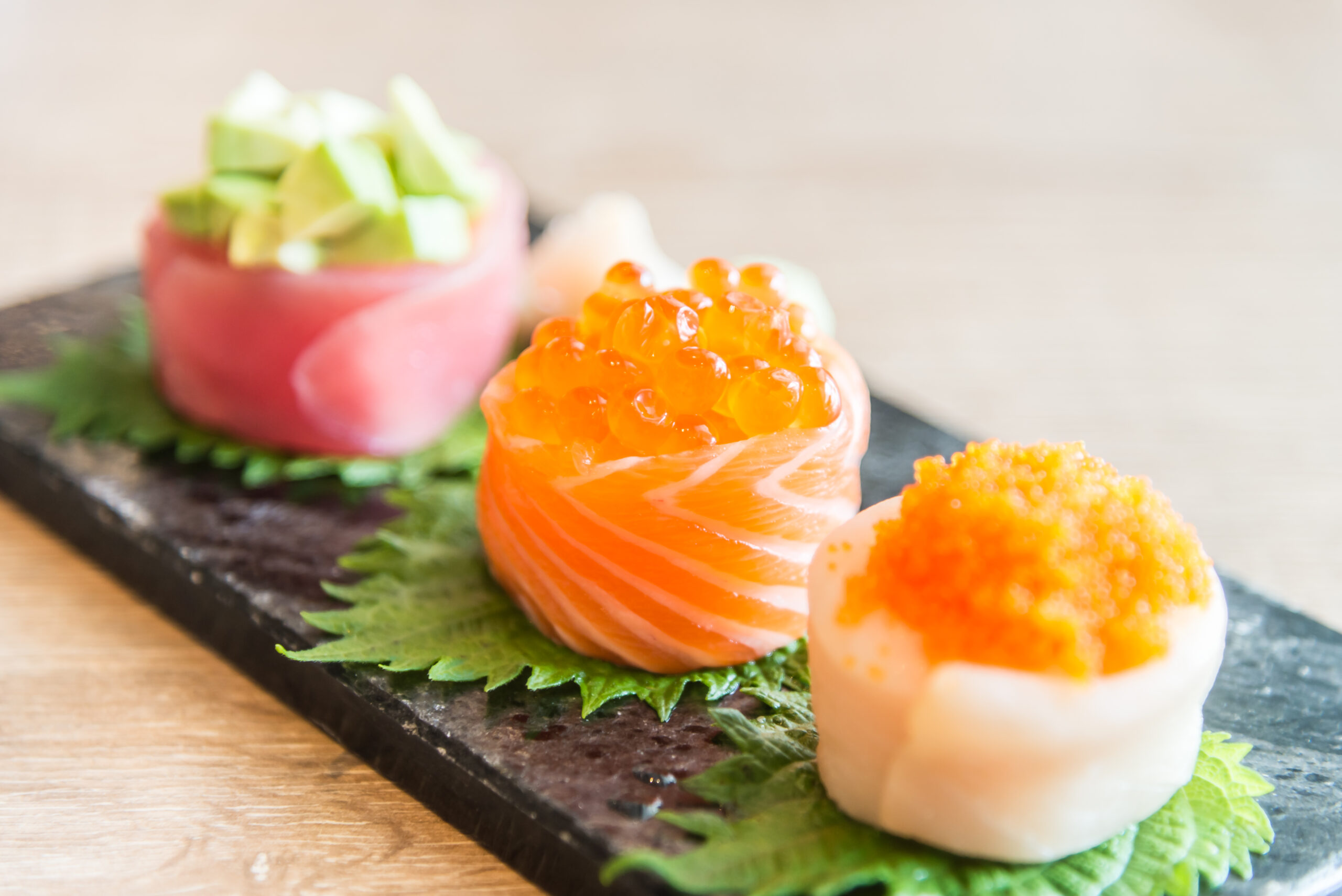
Food culture has evolved dramatically in the modern world, driven by globalization, travel, and the growing curiosity of diners who seek flavors beyond their local traditions. One ingredient that often sparks both fascination and confusion is masago. Frequently seen sprinkled atop sushi rolls, rice bowls, and seafood dishes, masago has become a recognizable component of Japanese-inspired cuisine across the globe. Despite its widespread use, many people are unaware of what masago actually is, where it comes from, and how it differs from other fish roe.
Masago is more than just a colorful garnish. It represents a fusion of tradition, culinary innovation, and global food commerce. While some view it as a luxury ingredient tied closely to Japanese sushi culture, others see it as an affordable alternative to more expensive fish roe like tobiko or caviar. Its popularity has grown rapidly, especially in sushi restaurants outside Japan, where it offers texture, flavor, and visual appeal at a reasonable cost.
Understanding masago requires exploring its origins, how it is produced, its nutritional value, and its role in both traditional and modern cuisine. It also raises important questions about sustainability, health considerations, and how global demand has shaped its use. By examining masago from multiple angles, we can appreciate why this tiny ingredient has earned such a prominent place on plates worldwide.
What Is Masago and Where Does It Come From?
Masago is the roe (eggs) of the capelin fish, a small forage fish belonging to the smelt family. Capelin are commonly found in cold waters of the North Atlantic and North Pacific Oceans, particularly around regions such as Iceland, Norway, Canada, and Japan. These fish play an essential role in marine ecosystems, serving as a key food source for larger fish, seabirds, and marine mammals.
In culinary terms, masago is harvested from female capelin during spawning season. The eggs are carefully removed, cleaned, and processed to make them suitable for consumption. Naturally, masago has a pale yellow or light beige color and a mild flavor. To enhance its appeal, it is often seasoned and dyed in bright colors such as orange, red, green, or black.
Unlike some luxury fish roe, masago is not typically eaten on its own. Instead, it is used as a supporting ingredient, adding crunch, saltiness, and visual contrast to dishes. Its small size and slightly grainy texture make it especially suitable for sushi rolls and seafood-based appetizers.
The History of Masago in Japanese Cuisine
Masago has long been part of Japanese food culture, though it historically played a more modest role than premium roe such as ikura (salmon roe). In Japan, capelin roe was traditionally valued for its practicality rather than luxury. It was affordable, plentiful, and easy to incorporate into everyday meals.
As sushi culture evolved and spread internationally, chefs began to experiment with different ingredients to meet changing tastes and budgets. Masago emerged as a popular choice because it delivered texture and flavor similar to more expensive roe while remaining cost-effective. This adaptability helped masago gain traction in sushi restaurants worldwide, especially in North America and Europe.
Over time, masago became closely associated with modern sushi creations. While it may not always feature in traditional Japanese sushi, it has become a staple in fusion cuisine, demonstrating how food traditions adapt when they cross cultural boundaries.
How Masago Is Processed and Prepared
The production of masago involves several steps to ensure safety, flavor, and shelf stability. After harvesting, the roe is rinsed thoroughly to remove impurities. It is then salted, which helps preserve the eggs and enhances their natural flavor. In many cases, additional seasonings such as sugar, soy-based solutions, or mirin are used to balance the taste.
To meet consumer expectations, masago is often colored using food-safe dyes. These colors are not just aesthetic; they help differentiate masago from other types of roe and make dishes more visually appealing. For example, green masago may be flavored with wasabi, while black masago might be seasoned with squid ink.
Once processed, masago is packaged and distributed to restaurants and retailers. It is typically sold refrigerated or frozen to maintain freshness. Proper handling is essential, as fish roe is sensitive to temperature changes and can spoil if not stored correctly.
Nutritional Profile of Masago
Masago is small in size, but it packs a surprising nutritional punch. It is rich in protein and contains essential fatty acids that support overall health. However, it is also high in sodium, which means moderation is important.
Key Nutrients Found in Masago
- Protein: Supports muscle growth and repair
- Omega-3 fatty acids: Contribute to heart and brain health
- Vitamin B12: Important for nerve function and red blood cell production
- Selenium: Acts as an antioxidant and supports immune health
Because masago is typically consumed in small quantities, it rarely contributes excessive calories. However, individuals who are sensitive to sodium or have seafood allergies should be cautious.
Culinary Uses of Masago
Masago is valued for its versatility in the kitchen. Its mild flavor allows it to complement a wide range of ingredients without overpowering them. Chefs often use it to add texture, color, and a subtle briny taste to dishes.
Common Culinary Applications
- Sushi rolls and maki
- Rice bowls and poke bowls
- Seafood salads
- Garnish for appetizers and canapés
- Fusion dishes in modern restaurants
In sushi, masago is frequently used on the outer layer of rolls, where it provides crunch and visual contrast. In rice bowls, it adds bursts of flavor that balance richer components like avocado or mayonnaise-based sauces.
Masago vs Tobiko vs Caviar
Fish roe comes in many forms, and masago is often compared to tobiko and caviar. While they may look similar, their origins, textures, and price points differ significantly.
| Feature | Masago | Tobiko | Caviar |
|---|---|---|---|
| Source | Capelin fish | Flying fish | Sturgeon |
| Size | Very small | Slightly larger | Medium to large |
| Texture | Soft, slightly crunchy | Crunchy | Smooth and buttery |
| Flavor | Mild, salty | Briny, smoky | Rich, luxurious |
| Cost | Affordable | Moderate | Very expensive |
Masago’s affordability and availability make it a popular substitute for tobiko, especially in restaurants looking to manage costs without sacrificing presentation.
Health Benefits and Concerns
Masago offers several health benefits when consumed responsibly. Its omega-3 fatty acids support cardiovascular health, while its protein content contributes to satiety. Additionally, vitamins and minerals found in masago play important roles in metabolism and immunity.
However, there are also concerns to consider. Masago is often highly processed and salted, which increases sodium levels. Excessive sodium intake can contribute to high blood pressure and other health issues. Additionally, the use of artificial coloring may concern some consumers who prefer minimally processed foods.
Pregnant individuals and those with compromised immune systems are often advised to avoid raw or lightly processed seafood products, including masago, due to potential bacterial risks.
Sustainability and Environmental Impact
As demand for masago grows, sustainability has become an important topic. Capelin are a crucial species in marine food chains, and overfishing could have serious ecological consequences. Responsible fishing practices and regulatory oversight are essential to ensure long-term availability.
Some fisheries operate under strict quotas and monitoring systems to protect capelin populations. Consumers who care about sustainability can look for suppliers that follow responsible sourcing practices. Supporting sustainable seafood helps maintain balance in marine ecosystems while allowing future generations to enjoy ingredients like masago.
Masago in Global Cuisine
Outside Japan, masago has found a home in international and fusion cuisine. In North America, it is commonly used in sushi rolls that cater to local tastes, such as spicy mayo-based creations. In Europe, masago is often featured in gourmet seafood dishes as a decorative and textural element.
This global adaptation highlights how ingredients evolve when they travel. Masago may no longer be limited to its traditional role, but its ability to adapt has ensured its continued relevance in modern dining.
Storage and Handling of Masago
Proper storage is critical to maintaining the quality and safety of masago. It should be kept refrigerated at low temperatures and consumed before its expiration date. Once opened, it should be used promptly to prevent spoilage.
Freezing masago is possible, but repeated freezing and thawing can affect its texture. Restaurants and home cooks alike must handle it carefully to preserve its flavor and appearance.
Future Trends and the Role of Masago
The future of masago is closely tied to broader trends in food culture. As consumers become more adventurous, demand for globally inspired ingredients will continue to grow. At the same time, there is increasing emphasis on sustainability, transparency, and health-conscious choices.
Masago may evolve through improved sourcing practices, cleaner labeling, and innovative culinary applications. Chefs are already experimenting with plant-based alternatives that mimic the texture of fish roe, which could influence how masago is perceived in the future.
Benefits of Masago in Modern Cuisine
| Benefit | Explanation |
|---|---|
| Visual appeal | Adds vibrant color to dishes |
| Texture | Provides a light crunch |
| Affordability | Cheaper than premium roe |
| Versatility | Works in many cuisines |
| Flavor balance | Enhances dishes without overpowering |
Final Thoughts on Masago
Masago may be small, but its impact on modern cuisine is significant. From its origins as capelin roe to its widespread use in sushi and fusion dishes, it represents how traditional ingredients adapt to global tastes. While it offers nutritional benefits and culinary versatility, it also raises important questions about sustainability and health.
For diners, masago is best enjoyed in moderation as part of a balanced diet. For chefs and restaurants, it remains a valuable ingredient that enhances presentation and texture without excessive cost. Ultimately, masago reflects the dynamic relationship between food, culture, and globalization.
FAQs About Masago
1. Is masago the same as caviar?
No, masago comes from capelin fish, while caviar comes from sturgeon. They differ greatly in taste, texture, and price.
2. Is masago safe to eat?
Yes, when properly processed and stored. However, it is high in sodium and may not be suitable for everyone.
3. Why is masago often brightly colored?
Food-safe dyes are added to improve visual appeal and sometimes indicate flavor variations.
4. Is masago sustainable?
It can be sustainable if sourced responsibly, but overfishing is a concern in some regions.
5. Can masago be eaten at home?
Yes, masago is available in stores and can be used in sushi, rice bowls, or as a garnish.