

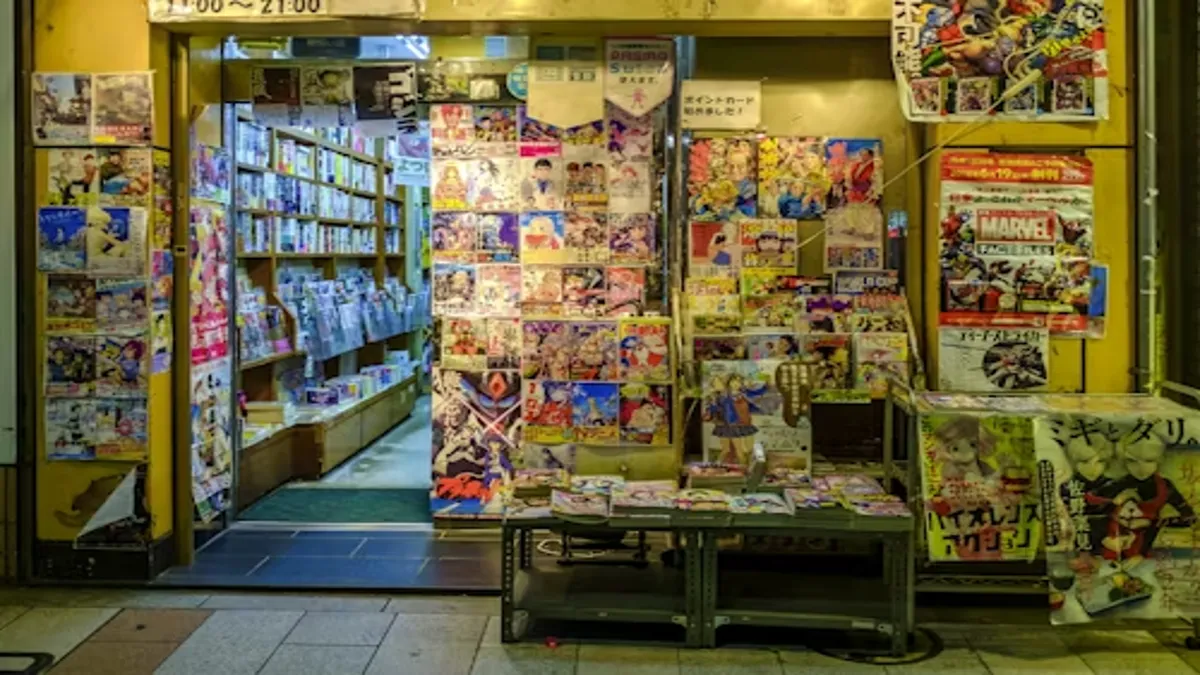
Hitomi.la sits at a complicated intersection of fandom, free access, digital preservation, and ongoing debates about legality. Within its vast online archive, readers can instantly explore manga, doujinshi, CG illustrations, and adult-oriented works, all presented without log-ins, paywalls, subscriptions, or registration barriers. For many, it functions as a sprawling digital library; for others, it represents yet another example of unauthorized distribution normalized through convenience. In the first hundred words of this introduction, the article answers one central search intent: hitomi.la is a free, high-volume manga and doujinshi archive that attracts global traffic because of its accessibility, variety, and ease of use — but it operates in legal and ethical ambiguity that continues to shape public debate.
Over time, the site has grown alongside a large international readership, especially among fans who struggle to find niche or out-of-print works. Its simple interface, metadata-driven search, and immediate access reinforce its appeal. Yet beneath that accessibility lie unresolved questions: user safety, creator compensation, archival responsibility, and the long-term sustainability of repositories built outside official publishing channels. Hitomi.la embodies the tensions between convenience and consequence, preservation and piracy, community service and legal risk — making it a uniquely revealing case study in modern digital culture.
The Rise of hitomi.la and What It Offers
Hitomi.la’s defining identity lies in its scale and simplicity. Over the years it has evolved into a massive, organized repository of manga and doujinshi, ranging from mainstream genres to highly niche or adult-focused works. Everything is displayed through clean thumbnails, detailed tagging, and an intuitive browsing system that mirrors the straightforward aesthetic of fan-driven archives. For users, the absence of registration requirements or payment gates removes friction entirely: the archive opens instantly, delivering immediate access to thousands of illustrated works.
The appeal strengthens further among international readers who cannot easily obtain doujinshi or specialized titles through local bookstores or legal digital platforms. Hitomi.la effectively becomes an equalizer — a way for global fans to gain entry into niches once restricted by geography and language. For collectors and completionists, it also serves as a kind of informal preservation hub. Many doujinshi are self-published, never translated, and never formally reissued. Without community-driven archiving, these works might fade into obscurity. The site therefore operates not only as a library of pleasure reading but as an unintentional cultural archive, preserving a diverse range of creative expression born from Japan’s unique doujin tradition.
Community Behavior, Tools, and Informal Infrastructure
While the site itself is simple, its surrounding ecosystem is extensive. Over time, communities have built external tools, scripts, and applications to optimize the reading experience, bypass performance issues, or compensate for flaws in navigation. These third-party utilities often include enhanced viewers, dedicated mobile readers, and interfaces allowing users to filter tags more precisely or download content more efficiently. Their existence shows how deeply the site has embedded itself in fandom culture: users do not merely consume content but actively develop infrastructure around it.
Discussions among enthusiasts often focus on troubleshooting — why pages fail to load, which browsers allow smoother rendering, or whether ad-blockers interfere with functionality. These conversations reveal recurring patterns: intrusive pop-ups, occasional downtime, inconsistent performance, and workarounds that require technical awareness. Such behaviors illustrate a paradox at the heart of hitomi.la: people are willing to endure inconvenience because the reward — unrestricted access — outweighs the irritation. This dynamic strengthens the site’s longevity, ensuring that even when the site experiences technical turbulence, dedicated communities build the tools needed to keep it usable.
Legal, Ethical, and Security Dimensions
The legal conversation surrounding hitomi.la is as complex as the content it hosts. Much of the archive consists of works that are unlikely to be licensed for legal digital distribution outside Japan. This includes adult-oriented doujinshi, parody works protected differently under Japanese norms, and indie publications that may never reach international markets. However, even if these works circulate informally within fan communities, their mass redistribution on large public archives raises questions about copyright, creator rights, and compensation.
Ethically, creators who self-publish often rely on print sales at conventions or limited digital sales. When their works appear on large platforms without consent, the economic impact can be significant, particularly for smaller circles that depend on direct support. The tension lies in the dual narrative: fans view such archives as liberating, widening access across borders; creators view them as undermining the fragile economics of independent artistry.
Security concerns add an additional layer. Sites operating outside traditional commercial structures often rely heavily on third-party ad scripts, which may expose users to pop-ups, tracking, or in some cases malicious behavior. Browsers lacking updates or protective tools are particularly vulnerable. These risks place the burden on users to navigate the archive safely — a responsibility that legitimate, licensed platforms typically handle through stricter security protocols and infrastructure investments. Hitomi.la’s model, built on free access and community maintenance, inherently lacks such safeguards.
Usage Patterns and the Global Reach of the Archive
Despite its limitations, hitomi.la draws massive international traffic. The archive appeals to readers who seek specific genres, rare works, untranslated doujinshi, or adult content not available through local channels. Its multilingual metadata system allows browsing by tags, artists, themes, or specific categories, making discovery efficient for global audiences. Long session durations suggest that users treat the site as a comprehensive library, not merely a quick reference point.
Many readers return frequently, contributing to a cycle: the larger the archive grows, the more indispensable it becomes. As communities normalize its use, the archive evolves into a shared cultural reference point, forming a parallel ecosystem to official publishing — one that exists regardless of legal pressure. This global reach reflects broader trends in digital media consumption, where fans circumvent regional restrictions to access cultural products directly, driven by curiosity, desire, or a sense of participation in a globalized fandom culture.
Comparing hitomi.la to Licensed Distribution
Licensed digital manga platforms operate through strict rights agreements, curated catalogs, and revenue models designed to compensate creators and publishers. They prioritize secure hosting, regulated content delivery, and compliance with international law. Hitomi.la, by contrast, functions outside these constraints. Its library is broader, more diverse, and often more up-to-date precisely because it is unlicensed. This contrast reveals the structural challenge facing official distributors: fans desire immediacy, affordability, and completeness — qualities difficult to provide within legal frameworks.
While licensed sites emphasize ethical consumption and creator support, they also face practical limitations such as regional blocks, limited catalogs, and subscription costs. Hitomi.la’s appeal rests on the opposite: unrestricted access, vast diversity, and zero financial barriers. The tension between these models points to ongoing friction within global manga distribution: the mismatch between what fans want and what legal systems permit. Until this gap narrows, archives like hitomi.la will continue to exist, fueled by demand that commercial systems have not yet fully addressed.
Expert Perspectives and Broader Cultural Context
Observers in digital culture studies often highlight the role of unofficial archives in shaping fan ecosystems. These repositories preserve works that may otherwise disappear and promote creative exchange beyond traditional institutions. Hitomi.la embodies this archival impulse, preserving self-published doujinshi and niche manga that contribute to cultural diversity. Yet experts also emphasize that such archives test the boundaries of intellectual property, raising persistent questions about how creative labor should be valued in a free-access digital world.
Security analysts, meanwhile, caution that free, ad-supported sites often expose users to vulnerabilities, reinforcing the need for personal protective practices like browser hardening and script control. From a sociological perspective, the persistence of such archives illustrates a global pattern: fans repeatedly build alternative channels when official pathways become too restrictive, expensive, or narrow. Hitomi.la’s success is therefore not accidental but symptomatic of deeper structural tensions in media accessibility.
Key Takeaways
- Hitomi.la provides vast, immediate access to manga, doujinshi, and adult-oriented works without registration barriers.
- Its popularity stems from accessibility, catalog breadth, and the scarcity of legal alternatives for niche or out-of-print works.
- Community-built tools play a critical role in maintaining usability despite pop-ups, instability, and performance issues.
- Legal and ethical considerations remain significant, especially regarding creator compensation and copyright boundaries.
- Security risks arise from third-party scripts and intrusive ads, placing responsibility on users to browse safely.
- Licensed platforms offer ethical alternatives but often lack the completeness and accessibility that attract users to unlicensed archives.
Conclusion
Hitomi.la represents a striking case study in how digital audiences circumvent traditional structures to access culture. It provides a vast, unfiltered window into manga and doujinshi traditions, yet it exists in a persistent limbo — celebrated by fans for its accessibility, criticized by creators for its disregard of rights, and scrutinized by analysts for its security shortcomings. Its longevity signals not merely a desire for free content but a systemic problem: official distribution channels have yet to meet global demand for availability, affordability, and diversity.
As digital ecosystems evolve, the questions raised by hitomi.la will grow more urgent. Who owns cultural expression in a borderless internet? How should creative labor be compensated? What role should fan-driven archives play in preserving ephemeral works? The debate will continue long after individual sites rise or fall, shaped by shifting laws, technologies, and expectations. Hitomi.la, in all its contradictions, illustrates how deeply modern audiences value access — even when that access carries consequences.
FAQs
What is hitomi.la?
A large digital archive hosting manga, doujinshi, CG collections, and adult-oriented works, accessible for free without registration.
Is hitomi.la legal?
Its legality is ambiguous because much of the content appears unlicensed, raising copyright concerns and creator compensation issues.
Why do people use it?
Users value its accessibility, wide selection, and availability of niche or rare works that may not be legally distributed elsewhere.
Are there risks?
Yes. Third-party scripts, intrusive ads, and potential vulnerabilities make browsing less secure than licensed platforms.
Are there legal alternatives?
Licensed platforms exist but often feature limited catalogs, regional restrictions, or subscription costs that restrict access.
References
- Center for Digital Ethics & Policy. (2013, February 1). The ethics of scanlation. https://digitalethics.org/essays/ethics-scanlation Center for Digital Ethics & Policy
- Court ruling: Manga piracy operators ordered to pay publishers. (2025, November 20). Reuters via The Japan Times. “Japanese court orders Cloudflare to pay ¥500 million over manga piracy.” https://www.japantimes.co.jp/news/2025/11/20/japan/crime-legal/cloudflare-manga-piracy/ Japan Times
- Japan’s copyright crackdown: new law on “leech sites.” (n.d.). Wikipedia. https://en.wikipedia.org/wiki/Copyright_law_of_Japan Wikipedia
- Kassab , A. (2025, June 3). “Hitomi.la Pop-ups Malware – Removal Guide.” SensorsTechForum. https://sensorstechforum.com/hitomi-la-pop-ups/ Sensors Tech Forum
- ZME Science. (2025, January 2). “Japan is using AI to combat anime and manga piracy.” https://www.zmescience.com/other/art-other/ai-anime-piracy-crackdown/ ZME Science
- Gamerant. (2025, May 16). “One of the World’s Most Popular Manga Pirating Sites Was Just Hit With a Major Takedown.” https://gamerant.com/mangadex-takedowns-dmca-notice/ Game Rant
- India Journal of Media Piracy (2019). “Addressing digital piracy and copyright issues in Indian online media.” https://www.lawjournal.info/article/176/5-1-27-145.pdf