

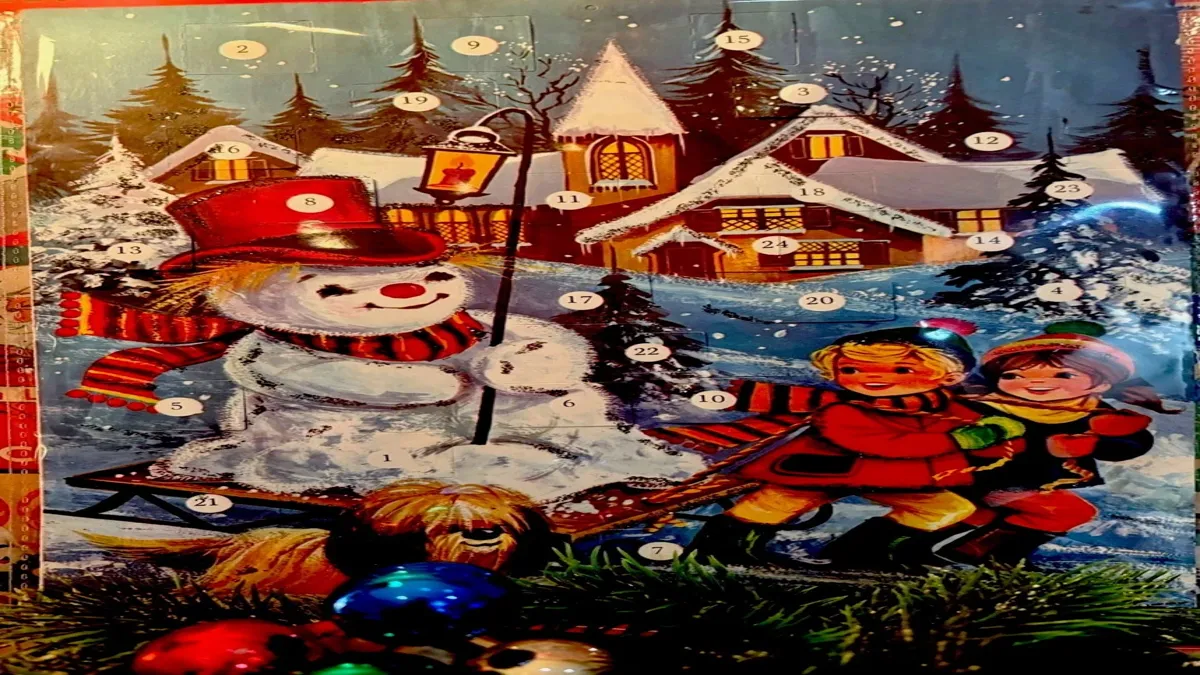
Advent, known in Hungarian as adventről, marks one of the most reflective and symbolically rich periods in the Christian calendar. Beginning on the fourth Sunday before Christmas, it is a season defined by waiting, anticipation, interior silence, and the soft glow of candles that gradually illuminate the darkening days of December. Within the first hundred words of this introduction, the purpose becomes clear: this article explains the meaning of Advent, its historical roots, its spiritual and cultural significance, and the ways it continues to shape collective memory and personal ritual. While traditionally associated with preparation for the birth of Christ, Advent has also evolved into a broader cultural phenomenon, inspiring markets, calendars, music, and community gatherings across Europe and far beyond.
Across centuries, Christians developed rituals to mark the slow approach of Christmas — from wreaths with four candles symbolizing hope, peace, joy, and love, to daily devotions that merge ancient liturgy with personal reflection. In Hungary and throughout Central Europe, Advent markets, church services, and quiet domestic traditions coexist in a compelling mosaic of sacred and cultural meaning. Yet beyond the rituals lies a deeper psychological dimension: Advent offers a countercultural pause amid frenetic holiday consumerism, emphasizing contemplation rather than consumption, expectation rather than immediacy, and community rather than isolation.
This article follows Advent from its earliest documented appearance in the 4th and 5th centuries through modern adaptations, exploring how a season built on waiting continues to resonate in an age defined by speed, noise, and distraction.
Historical Roots of Advent
Advent’s story begins not as a celebration of Christmas but as a season of fasting and penitence. Historical records from the 4th century mention a period of preparation before Epiphany rather than Christmas, especially in regions like Gaul and Spain. By the 6th century, Rome reoriented the purpose of Advent toward anticipation of Christ’s birth, shaping the liturgical structure that persists today.
As the medieval period unfolded, Advent took on a dual focus — looking backward to the Nativity in Bethlehem and forward to the anticipated Second Coming. Monastic communities developed practices of silent reflection, reading prophetic texts from the Hebrew Bible, and marking each week with prayers tied to specific themes. The O Antiphons, still sung between December 17 and 23, are among the earliest surviving Advent traditions and continue to influence Western liturgy.
Cultural variations emerged across Europe as Advent became embedded in local customs. In Hungary, Advent wreaths, or adventi koszorú, became widespread by the early 20th century, while Advent fairs fused religious meaning with folk craft, winter foods, and communal celebration. Each culture shaped Advent according to its seasons, agricultural rhythms, and devotional heritage.
Advent Wreaths, Candles, and Symbols
One of the most recognizable Advent symbols, the wreath, emerged in 19th-century Germany and rapidly spread throughout Europe. Constructed from evergreen branches, the wreath symbolizes endurance, hope, and life in the midst of winter. The four candles, lit one by one each Sunday of Advent, track the approach of Christmas with a steady brightening — a metaphoric triumph of light over darkness.
Hungarian households often incorporate purple and pink candles, mirroring Catholic and Protestant liturgical colors. Purple signifies repentance and preparation, while pink marks Gaudete Sunday — a moment of joy in the midst of waiting. Some families add a fifth white candle, the Christ Candle, to be lit on Christmas Eve.
Table 1 shows how candle symbolism varies across Christian traditions:
Table 1: Advent Candle Symbolism Across Traditions
| Tradition | Candle Colors | Weekly Themes | Additional Notes |
|---|---|---|---|
| Roman Catholic | 3 purple, 1 pink | Hope, Peace, Joy, Love | Pink candle lit on third Sunday |
| Protestant (Reformed, Lutheran) | Varies (purple, blue, pink) | Hope, Peace, Joy, Love | Blue increasingly used to emphasize expectation |
| Hungarian Folk Tradition | Purple/pink | Weekly family devotions | Often paired with handmade wreath crafts |
| Modern Ecumenical | Any color | Flexible themes | Symbolic focus rather than liturgical precision |
The power of Advent’s symbols lies in their simplicity: small flames breaking winter’s darkness, inviting participants to slow down.
Advent Calendars and the Rise of a Cultural Tradition
Advent calendars, now a global tradition, began in German-speaking regions in the 19th century as simple chalk marks or devotional pictures. By the early 20th century, printed calendars with small doors revealing biblical verses or images gained popularity. Post–World War II consumer culture transformed Advent calendars into commercial staples — filled with chocolate, toys, or more recently, luxury products.
In Hungary, adventi naptár traditions also expanded, merging folk customs with modern design. Some families create handmade calendars with small daily tasks promoting kindness or reflection rather than treats. Schools often integrate Advent calendars into December lessons, reinforcing cultural memory through communal rituals.
Yet the calendar’s deeper appeal remains unchanged: it transforms waiting into a tactile, daily practice, giving shape to time as anticipation grows.
Expert Commentary on Advent’s Cultural Power
“Advent is unique because it ritualizes waiting — something modern society tries to eliminate,” says a liturgical studies professor at a major European university.
A cultural historian notes, “Its power comes from its slowness. Every candle, every calendar door, every Sunday observance requires patience.”
A Hungarian theologian adds, “In Central Europe, Advent is not just preparation for Christmas but a way of reclaiming communal time. The markets, the music, the wreaths — they bind families and neighborhoods together.”
These perspectives illuminate Advent’s hybrid identity: both sacred and cultural, both ancient and adaptively modern.
Advent Music, Markets, and Community Rituals
Advent music ranges from Gregorian chant to modern choral arrangements. Hymns like Veni, Veni Emmanuel echo centuries of longing embedded in the season’s theology. Many Hungarian towns host Advent concerts featuring choirs, organists, and folk ensembles.
Advent markets, increasingly popular across Central Europe, blend religious tradition with social life. In Budapest, the Vörösmarty Square market draws thousands with handcrafted gifts, mulled wine, and festive lights. These markets, while not strictly religious, retain the spiritual undertones of gathering, warmth, and generosity.
Advent’s rhythms permeate daily life. Families light candles together, children rehearse Christmas plays, and communities hold charity drives. The season becomes a shared narrative of anticipation.
Advent and Psychology: The Season of Waiting
The emotional structure of Advent taps into universal human experience. Waiting — often seen as a burden — is reframed as meaningful. Psychologists note that rituals of gradual progress, like lighting candles or opening calendar doors, have measurable calming effects.
Advent creates a temporal container for reflection. In contrast to instant gratification, it teaches patience, mindfulness, and acceptance of mystery. Many people, including those outside religious traditions, incorporate Advent practices as antidotes to December’s overstimulation.
Waiting becomes a collective act — a rare counterpoint to the hurried pace of contemporary life.
Global Variations in Advent Practice
Table 2: Cultural Expressions of Advent Around the World
| Region | Key Traditions | Distinctive Features |
|---|---|---|
| Central Europe (Hungary, Austria, Germany) | Wreaths, markets, concerts | Strong blend of folk and liturgical customs |
| Western Europe | Calendars, candle lighting | Emphasis on home rituals and parish gatherings |
| Latin America | Posadas, neighborhood processions | Community reenactments of Mary and Joseph’s journey |
| Nordic Countries | St. Lucia processions | Youth-led celebrations of light in winter darkness |
| United States | Mixed traditions | Commercial calendars + church candle-lighting services |
This global diversity underscores Advent’s adaptability and enduring appeal.
Takeaways
- Advent is a season of waiting and spiritual preparation rooted in 4th–6th century Christian practice.
- Wreaths, candles, and calendars developed over centuries to ritualize anticipation.
- Hungarian Advent traditions combine folk heritage with Christian liturgy.
- Experts emphasize Advent’s psychological function as a counterbalance to modern urgency.
- Cultural variations worldwide demonstrate Advent’s blend of sacred meaning and communal celebration.
Conclusion
Advent endures because its rituals meet a deep human need: the need to slow down, to wait with intention, and to mark time through shared acts of hope and community. Whether expressed through candlelight, music, daily calendars, or bustling winter markets, Advent offers a structure that both honors ancient Christian narratives and accommodates modern cultural reinterpretations. In Hungary and across the globe, its practices continue to evolve, yet its emotional resonance remains remarkably stable. In a world increasingly defined by immediacy, Advent invites us into a rhythm of expectation and gentle illumination — a reminder that meaningful transformation often unfolds slowly, Sunday by Sunday, candle by candle.
FAQs
What does “adventről” mean?
It refers to “about Advent” in Hungarian, describing the traditions, symbols, and meaning of the Advent season.
When does Advent begin?
Advent starts on the fourth Sunday before Christmas, creating a four-week period of preparation.
Why are Advent candles different colors?
Colors vary by tradition, symbolizing themes such as hope, peace, joy, and love.
Are Advent customs only religious?
While rooted in Christianity, Advent now includes cultural, musical, and communal practices enjoyed by many non-religious participants.
Why is waiting so important in Advent?
Waiting symbolizes anticipation, reflection, and the spiritual discipline of preparing for meaningful change.
REFERENCES
- Catholic Church. (n.d.). Advent: History and liturgical significance. United States Conference of Catholic Bishops. https://www.usccb.org/prayer-and-worship/liturgical-year-and-calendar/advent
- Church of England. (n.d.). Understanding Advent. https://www.churchofengland.org
- Evangelical Lutheran Church in America. (n.d.). Seasonal traditions: Advent. https://www.elca.org
- Loyola Press. (n.d.). Advent traditions and reflections. https://www.loyolapress.com/catholic-resources/liturgical-year/advent
- Vatican. (n.d.). Liturgical norms for Advent. https://www.vatican.va