

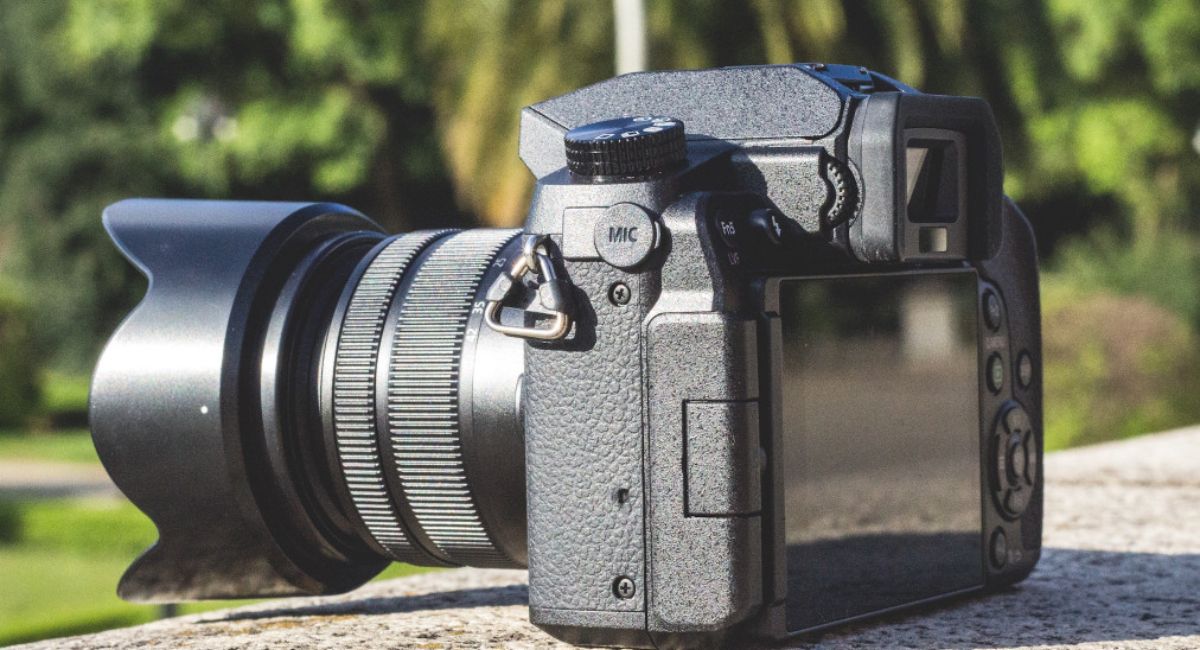
DSLR Cameras: Mastering Photography with Precision and Professional Quality
In the world of photography, the right equipment can make all the difference between a simple snapshot and a masterpiece. DSLR cameras have long been the go-to choice for both professional photographers and enthusiasts seeking high-quality images. Combining advanced technology, precision engineering, and creative versatility, DSLRs provide an unparalleled photographic experience. In this article, we explore the features, benefits, and tips for choosing the perfect DSLR, helping you elevate your photography skills to a professional level.
Understanding DSLR Cameras
A DSLR, or Digital Single-Lens Reflex camera, is designed to deliver superior image quality by utilizing a mirror mechanism and interchangeable lenses. Unlike point-and-shoot cameras, DSLRs provide full manual control over exposure, shutter speed, aperture, and ISO, giving photographers creative freedom. The digital sensor captures highly detailed images, and the reflex mirror allows you to see exactly what the lens sees through the optical viewfinder.
DSLR cameras are popular among professionals and enthusiasts alike because they combine flexibility, durability, and advanced features. From landscape photography to portrait sessions, sports, or wildlife photography, a DSLR can handle a wide variety of scenarios, making it an indispensable tool for serious photographers.
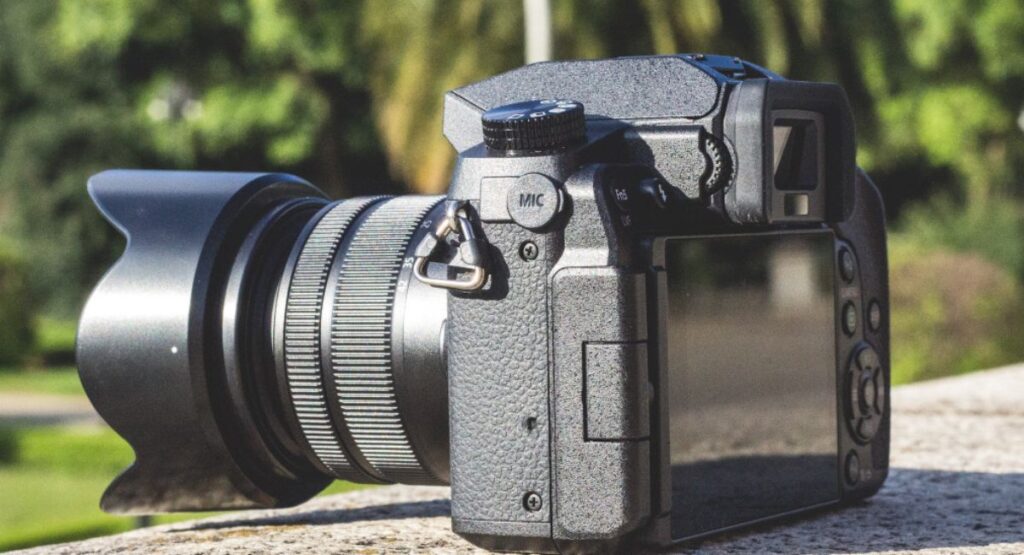
Key Features of DSLR Cameras
DSLR cameras are packed with features designed to enhance image quality and provide full creative control. Some of the key features include:
1. Interchangeable Lenses
One of the most significant advantages of a DSLR camera is the ability to swap lenses according to the shooting requirements. Whether you need a wide-angle lens for expansive landscapes, a telephoto lens for wildlife, or a prime lens for sharp portraits, DSLRs offer unmatched versatility. Lenses affect depth of field, sharpness, and bokeh, allowing photographers to achieve unique and professional results.
2. Large Image Sensors
DSLR cameras are equipped with large APS-C or full-frame sensors that capture more light and detail than smaller sensors found in compact cameras or smartphones. This translates into higher image quality, better low-light performance, and more dynamic range, ensuring that even the most challenging scenes are captured with clarity and precision.
3. Manual Controls
DSLRs give photographers complete control over their settings, including shutter speed, aperture, ISO, and white balance. Manual controls allow you to adapt to different lighting conditions, experiment with creative effects, and achieve the desired exposure and composition for every shot.
4. Optical Viewfinder
The reflex mirror system in a DSLR provides an optical viewfinder that displays the scene exactly as the lens sees it. This allows for precise framing and focusing, which is particularly useful in fast-paced environments like sports or wildlife photography.
5. High-Speed Performance
Modern DSLRs are capable of rapid continuous shooting, fast autofocus, and responsive operation. This makes them ideal for capturing action-packed moments, ensuring that no critical shot is missed.
6. Advanced Autofocus System
DSLRs feature sophisticated autofocus systems with multiple focus points that help track moving subjects and maintain sharpness. Whether shooting a fast-moving athlete or wildlife, these autofocus capabilities significantly improve image accuracy and overall quality.
Benefits of Using a DSLR Camera
Investing in a DSLR camera offers numerous benefits that elevate your photography experience. Some of the most important advantages include:
Enhanced Image Quality
With larger sensors and superior optics, DSLR cameras capture images with remarkable detail, clarity, and color accuracy. This is particularly important for professional work, where every detail matters.
Creative Freedom
Interchangeable lenses, manual controls, and advanced features provide photographers with creative freedom. You can experiment with depth of field, shutter effects, and exposure to produce unique, professional-looking images.
Versatility Across Genres
DSLRs are suitable for various photography styles, including portraits, landscapes, macro, sports, and wildlife. By simply switching lenses and adjusting settings, a DSLR can adapt to any environment or subject.
Durability and Longevity
DSLR cameras are built to withstand challenging conditions. High-quality materials, robust construction, and weather-sealed bodies ensure durability, making them reliable tools for outdoor photography or harsh environments.
Professional Video Recording
Many modern DSLRs are equipped with high-definition video capabilities, allowing for cinematic video production alongside still photography. This makes them ideal for vloggers, filmmakers, and hybrid content creators.
Table: Comparison of Popular DSLR Features
| Feature | Entry-Level DSLR | Mid-Range DSLR | Professional DSLR |
|---|---|---|---|
| Sensor Type | APS-C | APS-C / Full-Frame | Full-Frame |
| Megapixels | 18-24 MP | 24-32 MP | 30+ MP |
| Continuous Shooting | 3-5 fps | 6-8 fps | 10+ fps |
| Autofocus Points | 9-19 | 19-45 | 45+ |
| Video | 1080p | 1080p / 4K | 4K |
| Weight | 400-600g | 600-800g | 800-1200g |
Tips for Choosing the Right DSLR Camera
Selecting the perfect DSLR depends on your skill level, budget, and photography goals. Here are some tips to guide your decision:
1. Define Your Needs
Consider what type of photography you want to pursue. Landscapes may require wide-angle lenses, while sports and wildlife demand fast autofocus and telephoto lenses. Knowing your needs will help narrow down suitable models.
2. Set a Budget
DSLR cameras come in a wide price range. Entry-level models are affordable for beginners, while professional-grade cameras are an investment for serious photographers. Remember to budget for lenses, memory cards, and accessories.
3. Consider Sensor Size
Full-frame sensors offer superior image quality and low-light performance, but they are more expensive. APS-C sensors provide a good balance of quality and affordability, making them ideal for enthusiasts.
4. Check Lens Compatibility
Ensure that the DSLR you choose supports a variety of lenses that suit your photography style. Access to a wide range of lenses allows you to grow your skills without switching camera brands.
5. Evaluate Portability
Professional DSLRs can be bulky and heavy. Consider the weight and ergonomics if you plan to carry your camera for extended periods, especially during travel or outdoor shoots.
6. Test the Camera
Whenever possible, try handling the camera before purchasing. Familiarity with the controls, viewfinder, and ergonomics can make a significant difference in your comfort and efficiency while shooting.
Essential DSLR Accessories
To maximize the potential of your DSLR, investing in essential accessories is key:
Lenses
Prime, zoom, macro, and wide-angle lenses expand your creative options.
Tripod
Provides stability for long exposures, landscapes, and low-light photography.
Camera Bag
Protects your equipment while making it easier to carry during shoots.
Memory Cards
High-speed and large-capacity cards ensure smooth shooting, especially for continuous bursts and video.
External Flash
Improves lighting in low-light situations and provides creative control over shadows and highlights.
Cleaning Kit
Maintains your camera and lenses in pristine condition, ensuring optimal performance.
Mastering DSLR Photography: Tips and Techniques
Even the best DSLR is only as effective as the photographer using it. Here are some techniques to elevate your skills:
Understand Exposure
Learn the relationship between aperture, shutter speed, and ISO. Mastering exposure allows you to create stunning images in a variety of lighting conditions.
Focus on Composition
Composition is critical in photography. Utilize techniques like the rule of thirds, leading lines, and framing to create visually compelling images.
Experiment with Lenses
Different lenses provide unique perspectives. A wide-angle lens captures expansive landscapes, while a telephoto lens brings distant subjects closer, adding depth and creativity to your shots.
Practice Manual Mode
Manual mode gives complete control over your camera settings, allowing you to fine-tune every shot. Experimenting in manual mode builds confidence and enhances your technical skills.Post-processing software like Adobe Lightroom or Photoshop can enhance your images. Adjusting exposure, contrast, color balance, and sharpness can transform a good image into a professional one.
Low-Light Photography Techniques
DSLR cameras excel in low-light conditions. Use a tripod, slow shutter speed, and high ISO settings to capture night scenes, indoor events, or astrophotography with stunning clarity.
Conclusion
DSLR cameras remain the cornerstone of professional and enthusiast photography due to their versatility, superior image quality, and creative potential. From interchangeable lenses and large sensors to manual controls and advanced autofocus systems, DSLRs provide the tools needed to capture breathtaking images in any environment.
Choosing the right DSLR depends on understanding your needs, budget, and goals, while pairing it with the proper accessories enhances your overall experience. By mastering techniques such as composition, exposure, and post-processing, photographers can fully unlock the potential of their DSLR cameras, turning ordinary moments into extraordinary memories.
Whether you’re capturing sweeping landscapes, intimate portraits, or fast-paced action, a DSLR camera offers the precision, flexibility, and professional quality needed to elevate your photography to new heights. For anyone serious about photography, investing in a DSLR is not just a choice it’s a gateway to endless creative possibilities.
 admin
admin